Why Is My Sewing Machine Needle Breaking or Bending So Often?
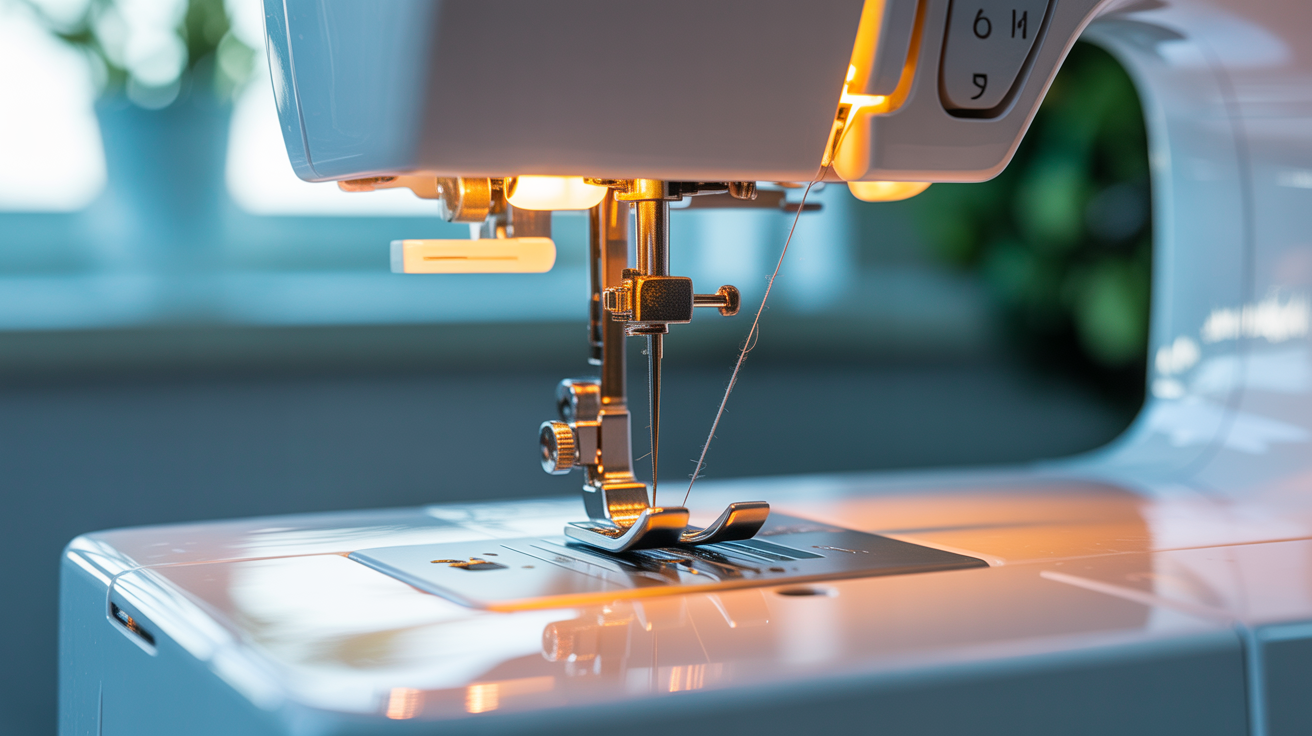
A sewing machine needle breaking once in a while is normal, usually from a stray pin or a moment of not paying attention. But if you are pulling out a new needle every few minutes, or watching it bend sideways before it even finishes a stitch, something specific is wrong, and it is almost always fixable in under five minutes. This is not a tension problem or a skipped-stitch problem, those have their own causes. This is the needle itself failing under normal sewing pressure, and there is a short list of reasons it happens, roughly in order from most common to least.
Sewing Machine Needle Breaking? Work Through These Five Causes in Order
Go down this list in order rather than jumping around. Each check costs less time and less money than the one after it, so you will usually find your answer before you get to the bottom.
1. The wrong needle type or size for your fabric
This is the single most common reason a needle keeps snapping, and it costs nothing to check. A universal needle meant for quilting cotton will bend or snap almost immediately on denim, canvas, or several layers of upholstery fabric, because the shaft is not thick enough to push through that resistance. It goes the other way too: a heavy denim needle forced through delicate silk or knit jersey will punch and skip, since the point and shaft are built for a different job. Check the needle package against your fabric weight. As a rough guide, lightweight wovens and knits want a smaller needle (60/8 to 75/11), medium wovens like quilting cotton or broadcloth do well with an 80/12, and heavier fabric like denim or canvas needs a 90/14 or larger, often in a denim style with a reinforced shaft. If you are not sure which style is even in the machine right now, how to choose the right sewing machine needle covers how to match needle to fabric instead of guessing.
2. The needle is in backward, upside down, or not pushed all the way up
Every home machine needle has a flat side on the shank, and that flat side has to face a specific direction (check your manual, but it is almost always toward the back). Put it in facing the wrong way and it will still thread, and even stitch a few times, before it hits the hook at a bad angle and snaps or bends. The other half of this problem is depth: the needle has to be pushed all the way up into the clamp until it stops, then the screw tightened firmly. A needle even a millimeter too low will strike the needle plate or bobbin case housing on its way down. Loosen the screw, pull the needle out, check the flat side against your manual, push it up as far as it will physically go, and tighten the screw while holding the needle in place so it does not slip back down.
3. You are pulling or pushing the fabric instead of letting the machine feed it
This one is a habit rather than a mechanical fault, which is exactly why it is easy to miss. The feed dogs under the needle plate move your fabric through at a set pace. If you pull the fabric from the front or push it from behind to speed things along, you are fighting the machine, and the needle is caught in the middle. It flexes sideways as the fabric shifts under it in a direction the feed dogs did not intend, and either bends on that stroke or snaps outright. Rest your hands lightly on the fabric to guide direction and keep it flat, and let the feed dogs set the speed. This trips up a lot of people moving from hand sewing to a machine, since hand sewing trains you to physically pull thread and fabric through every stitch, and a machine needs the opposite habit.
4. You hit a pin
Pins feel harmless because they are thin, but a needle striking a pin at full speed almost always comes out worse for it, either snapping clean or bending just enough to hit the plate on every stroke afterward. If your needle started breaking right after you sewed over a pin, even if it seemed to sew through fine at the time, that pin likely nicked or bent the tip in a way you cannot see. Replace the needle rather than trying to keep using it. The safer habit long term is pulling pins out just before the needle reaches them, which also protects your machine's timing from a harder hit than a needle can survive.
5. A burred or damaged needle plate hole
If you have worked through the first four and the problem keeps happening even with a fresh, correctly sized needle inserted correctly, on fabric you are feeding gently, look at the needle plate itself. Repeated needle strikes (from pins, from a bent needle that went unnoticed, or just from age) can leave a small burr on the metal right where the needle passes through, and that burr will catch and deflect a needle that is otherwise fine. Run a fingernail gently around the inside edge of the hole and feel for roughness. A very light burr can sometimes be smoothed with a fine emery board made for nail care, but anything more is a job for a sewing machine technician, since a damaged plate can also throw off timing.
Before You Touch Anything: Two Safety Steps
However tempting it is to just yank the machine back into action, take a moment on these two things first.
Turn the machine off, or at minimum lift the presser foot and turn the handwheel toward you until the needle is fully clear, before reaching in to clear a jam or remove a broken tip. A machine that is still powered, even at rest, can move the needle bar unexpectedly.
Wear eye protection, or at least turn your face away, right when a needle snaps. A broken tip can fly a surprising distance, and a fragment landing near an eye is a real risk. Once the machine is off, check the bobbin area, the plate, and the floor around your feet for the broken piece, since a stray fragment left in the machine can cause its own damage later.
How to Tell a Bending Problem From a Breaking Problem
Both usually trace back to the same five causes above, but the pattern can point you toward which one to check first. Gradual bending, with a seam that pulls slightly off to one side as you go, often points to fabric being pulled or guided by hand rather than fed naturally. A sudden, clean snap more often points to a pin strike or a needle too fine for the fabric. Bending right at the first stitch of a new seam, before the needle has even engaged fabric, usually means it was inserted backward or not seated all the way up. None of this is exact, but it is a useful shortcut for deciding where to start.
When It Isn't the Needle at All
If your needle survives fine (no bending, no breaking) but your stitches look loose, loopy, or uneven, that is a different problem with a different fix, and it is worth reading sewing machine tension explained and how to fix it rather than chasing needle causes that do not apply. Likewise, if the needle is fine but stitches are being skipped entirely or thread is bunching into a knot underneath the fabric, that points toward timing, thread path, or bobbin issues rather than the needle itself, covered in sewing machine problems: skipped stitches and thread nests. It is worth ruling those out so you are not replacing needle after needle for a problem the needle was never causing.
Frequently Asked Questions
How often should I replace a sewing machine needle normally?
A common guideline is every 8 to 10 hours of sewing, or at the start of a new project, whichever comes first, since needles dull gradually even without a dramatic break. If you are breaking needles far more often than that, the cause is one of the five above rather than ordinary wear.
Can a bent needle damage my machine if I keep sewing on it?
Yes. A bent needle striking the needle plate or hook repeatedly can nick both, and a nicked hook in particular can throw off the machine's timing, which is a more expensive repair than a pack of needles. Replace a needle the moment you suspect it is bent rather than finishing out the seam.
Why does my needle only break on certain fabrics?
This almost always points back to needle size and type rather than anything wrong with the machine. Heavier or denser fabric needs a larger, sturdier needle, and a needle that works fine on quilting cotton can snap immediately on canvas or several layers of denim.
I checked everything and the needle still breaks. What now?
Work back through the list slowly with a completely fresh needle each time you test, since a needle that has already struck something once may look fine but be weakened. If it still happens with a correct, freshly installed needle, correct fabric, and gentle hand feeding, it is time to have the needle plate and hook timing checked by a technician, since those are the two things a home sewist cannot easily diagnose alone.
Is it safe to keep sewing after a needle breaks mid-seam?
Not until you have accounted for the broken piece. Turn the machine off, check the plate, bobbin area, and surrounding floor for the fragment, and only resume once you are sure nothing was left behind. A missed fragment can scratch fabric, jam the machine, or work its way somewhere it can cause injury later.