Sewing Machine Tension Explained (and How to Fix It)
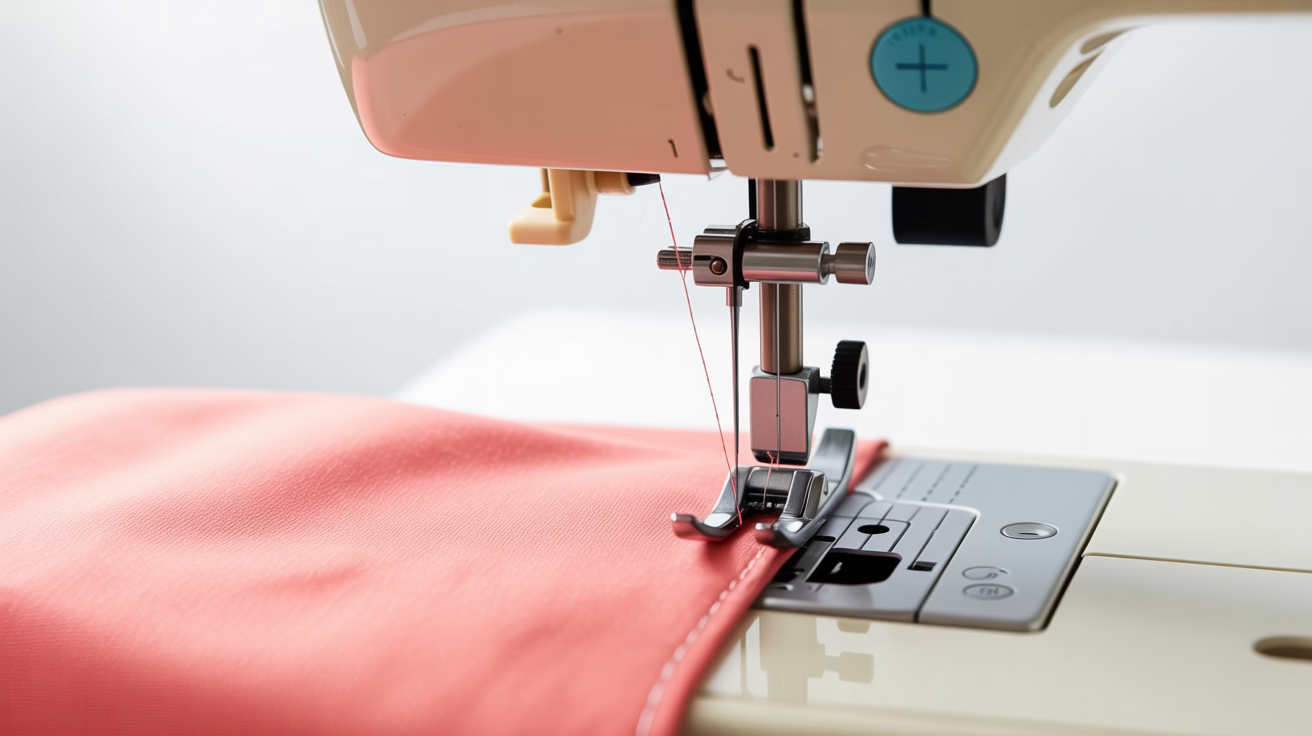
If your stitches look loopy on the bottom, tight and puckered on top, or just plain messy, tension is almost certainly the culprit. The good news is that once you understand what tension actually does, you can diagnose and fix most problems in a few minutes without calling a repair shop.
This guide walks you through exactly what thread tension is, what a balanced stitch looks like, and how to adjust your settings until things look right again.
At a Glance
- Loops on the bottom mean the upper tension is too loose (or the thread never seated in the tension discs).
- Loops on the top mean the upper tension is too tight, or the bobbin is threaded or wound incorrectly.
- Most home machines run a balanced setting between 4 and 5 on medium-weight cotton; lighter fabrics need less, heavier fabrics need more.
- Always raise the presser foot before you thread. With the foot down, the tension discs stay closed and the thread never seats properly.
- Change one variable at a time (needle, thread, tension) and test on a scrap of the actual project fabric before touching the real seam.
- A grinding sound or a stiff handwheel means timing, not tension. That is a job for a technician.
What sewing machine tension actually means
Your sewing machine forms each stitch by looping the upper thread (from the spool) around the lower thread (from the bobbin) inside the layers of fabric. Two separate systems control how tightly each thread is held as it feeds through: the upper tension mechanism and the bobbin tension. On a standard lockstitch machine, a rotating hook carries the upper thread all the way around the bobbin case so it wraps once around the lower thread, and the thread tension mechanisms then work to keep that interlock point centered in the fabric rather than pulled toward one side.
The upper tension dial or digital setting is the one you adjust regularly. It squeezes a set of metal discs against the thread as it travels down from the spool, through the thread guides, and into the needle. A higher number means more squeeze, a lower number means less.
The bobbin tension is set at the factory and rarely needs changing. The small screw on the bobbin case controls it, and most beginners should leave that screw alone.
When both tensions are balanced, the threads meet exactly in the middle of the fabric layers. You see the same tidy line of stitches on the top and the bottom, with no loops or puckers on either side.
How to recognize a tension problem
Before touching the tension dial, hold your test seam up to the light and look at both sides. Knowing which surface looks bad tells you which thread to adjust.
If the top surface looks fine but the underside has loops or wide zigzags: The upper tension is too loose. The upper thread is feeding through too freely, so the bobbin thread is pulling it down and leaving slack loops underneath.
If the bottom surface looks fine but the top has loops: The upper tension is too tight. The upper thread is gripping so hard that it drags the bobbin thread upward, causing loops to appear on top.
If the seam puckers and the fabric bunches like a gathered skirt: Tension is too tight overall, or you are using a very lightweight fabric that cannot resist the pull. Try lowering the upper tension by one number and pressing the seam with a warm iron before judging.
If stitches skip completely: This is often a threading error rather than a true tension issue. Re-thread the machine from scratch (with the presser foot raised, which opens the tension discs) before adjusting anything.
A clean diagnostic habit: always sew a 10 cm (4 inch) test seam on a scrap of the exact fabric you plan to use, with the same thread type and needle you will use in the project. Never adjust tension based on guesswork.
The balanced stitch and your default setting
Most home sewing machines set the upper tension dial from 0 to 9, and the balanced sweet spot for general sewing on medium-weight fabric like quilting cotton or calico sits somewhere between 4 and 5. That is your starting point every time you sit down.
If you have been using your machine on a different project and forgot to reset the dial, a rogue tension setting is one of the most common causes of mysterious stitch problems.
Here is a quick reference for common fabric types and where to begin:
| Fabric type | Weight | Starting tension |
|---|---|---|
| Chiffon, organza | Very light | 2 to 3 |
| Quilting cotton, calico | Light to medium | 4 to 5 |
| Linen, denim (light) | Medium | 4 to 5 |
| Canvas, heavy denim | Heavy | 5 to 6 |
| Stretch knit, jersey | Stretch | 3 to 4 with stretch stitch |
| Faux leather, vinyl | Specialty | 3 to 4 |
These numbers are starting points, not rules. Your machine may run slightly differently, and thread brand and needle size both affect how things behave. Always test on scrap first.
Thread thickness itself factors into the equation too. All-purpose sewing thread is commonly sold as 40-weight or 50-weight; the number refers to a length-per-weight measurement, so a higher number means a finer thread. Switching from a 40-weight to a 50-weight thread without changing anything else can shift how loose or tight a given tension number looks, because less thread is passing through the same set of discs.
Needle size should move with fabric weight too, not just tension. Standard needle sizing is written as two numbers, such as 80/12: the first is the European metric size (shaft diameter in hundredths of a millimeter), the second is the older American size. Finer fabrics like chiffon or silk pair with a 60/8 to 70/10 needle, medium cottons with 80/12, and heavy canvas or denim with 100/16 or larger, because a needle that is too thick for the fabric punches a hole big enough to let stitches shift and throw off apparent tension.
How to adjust sewing machine tension step by step
Work through this in order. Most problems resolve before you get to step four.
-
Re-thread the machine completely. Lift the presser foot lever before you thread. This is the single most important step. With the foot down, the tension discs stay closed and the thread never seats properly inside them. If the thread is not sitting in the discs, the tension dial does nothing at all. Start from the spool pin, follow every thread guide, and pass through the needle from front to back (or the direction your machine specifies). A correctly threaded machine is covered in more detail in how to thread a sewing machine step by step.
-
Check the bobbin. A bobbin that is wound unevenly, seated backwards, or missing the tiny thread guide in the bobbin case causes erratic lower tension that mimics an upper tension problem. Remove the bobbin, check that the thread feeds off in the correct direction for your machine model, and make sure it clicks into the case. If winding looks lumpy or tangled, wind a new one. The full technique is in how to wind and load a bobbin correctly.
-
Sew a test seam. Use the actual project fabric and thread, not a different scrap. Sew 10 cm (4 inches), cut the thread, and examine both sides.
-
Adjust in small steps. If the underside has loops, increase the upper tension by one number. If the topside has loops, decrease by one number. Sew another test seam. Repeat until both sides look identical. Avoid jumping more than one number at a time.
-
Match thread weight to needle size. A fine polyester thread through a size 16 needle creates a gap around the thread that throws off how tension registers. For most quilting cotton and calico, a size 11 or 12 (75/11 or 80/12) universal needle with a standard 40-weight thread works well together.
-
Change the needle. A bent, dull, or burred needle deflects as it pierces the fabric, creating inconsistent loops. Needles are cheap and should be changed every 8 to 10 hours of sewing, or whenever you hear a popping sound as the needle enters fabric.
Quick troubleshooting reference
Use this as a fast lookup once you already know the general method above.
| Symptom | Most likely cause | First thing to try |
|---|---|---|
| Loops on the underside only | Upper tension too loose, or not seated in discs | Raise presser foot, re-thread top, test again |
| Loops on the top only | Upper tension too tight, or bobbin seated wrong | Re-seat bobbin, then lower upper tension by one number |
| Seam puckers on lightweight fabric | Tension too tight overall for the fabric weight | Drop tension by 1, press seam, retest |
| Stitches skip in a row | Needle bent, dull, or inserted wrong way | Replace needle, confirm flat side faces back |
| Thread breaks repeatedly | Tension too tight, or burr on needle/spool | Lower tension slightly, inspect needle for nicks |
| Grinding or clunking sound | Timing issue, not tension | Stop sewing, see a technician |
Common mistakes beginners make with tension
Tension troubleshooting goes wrong in predictable ways. Here are the ones that waste the most time.
-
Forgetting to raise the presser foot before threading. This is the number one cause of tension problems that seem impossible to fix. The thread looks like it is in place, but it was never actually seated in the discs.
-
Adjusting the bobbin screw. Unless you are sure you have a bobbin tension problem (loops on top that persist after upper thread adjustments and fresh threading), do not touch that small screw. Bobbin cases are easy to over-adjust and hard to reset without a reference. If you do adjust it, turn it no more than an eighth of a turn at a time and mark the starting position with a dot of nail polish or a pencil line first, so you can find your way back.
-
Using a different thread type on top versus in the bobbin. Mixing a heavy topstitching thread on the spool with a fine all-purpose thread in the bobbin creates unequal pull. Use the same thread weight and type in both places for regular seams.
-
Changing multiple variables at once. If you swap the needle, adjust tension, and change thread all in one go, you cannot tell what fixed the problem. Change one thing, test, repeat.
-
Assuming every problem is tension. Skipped stitches are often a needle issue. Bunching under the fabric at the start of a seam is often caused by not holding thread tails when you begin. Puckering on jersey knits is often a stitch-type issue rather than tension. Misidentifying the cause leads to chasing the wrong solution for an hour. For a broader overview of machine operation and what controls what, how to use a sewing machine: a complete beginner's guide covers the full picture.
When to suspect something other than tension
If you have re-threaded carefully, replaced the needle, checked the bobbin, and tested several tension settings without improvement, a few other causes are worth investigating.
The needle may be inserted incorrectly. Most machines require the flat side of the needle shank facing the back. If it is rotated, the hook timing is off and the machine cannot catch the thread to form a stitch, no matter what the tension dial says.
The machine may need cleaning. Lint packs into the bobbin area and under the feed dogs over time and can interfere with thread movement. Remove the needle plate according to your manual, brush out the lint with a soft brush (not compressed air, which pushes debris deeper), and add a drop of sewing machine oil to the hook race if your model calls for it.
If you hear a grinding or clunking sound or the handwheel feels stiff, the timing may be off. That is a job for a technician. Most other tension problems, though, are solvable at home with patience and a scrap of fabric.
Frequently asked questions
Why do I get loops on the bottom of my fabric?
Loops underneath almost always mean the upper tension is set too low, or the upper thread was not seated in the tension discs when you threaded the machine. Raise the presser foot, re-thread from scratch, and try increasing the upper tension by one number at a time.
My tension dial is already at the highest setting and I still get loops. What now?
Check the bobbin first. If the bobbin is seated incorrectly or the thread is missing the bobbin case guide, the lower thread feeds too freely regardless of what the upper tension is doing. Re-seat the bobbin and try again. If loops persist with correct threading and a fresh needle, a technician should check the machine's tension mechanism.
Should I adjust tension for different fabrics?
Yes, as a starting point, lighter fabrics generally need a lower tension setting (around 2 to 3) and heavier fabrics a slightly higher one (5 to 6). The table above gives starting numbers, but your machine may vary. Always test on scrap before sewing the actual project.
Can I use the same tension setting for every stitch type?
Not always. A regular straight stitch on medium fabric works well at 4 to 5, but a narrow zigzag or stretch stitch on jersey knit often needs the tension dialed down to 3 or even 2 to prevent the fabric from tunneling. Check your machine manual for stitch-specific recommendations, then test.
How do I know if the bobbin tension is wrong rather than the upper tension?
If you have correctly re-threaded the upper thread with the presser foot raised and loops still appear on the top surface even with the tension dial at its lowest setting, the bobbin tension may be too tight. You can test this by removing the bobbin case and letting the thread hang: a properly tensioned bobbin case should hold the thread without dropping when you hold the thread end, but drop slowly when you give it a gentle shake. If it drops immediately, the bobbin tension is too loose; if it will not drop at all, it is too tight. Adjusting the bobbin screw is a very small, careful movement (a quarter turn at most) and worth writing down before you start so you can return to the original position if needed.
Does thread quality actually affect tension?
Yes, more than most beginners expect. Cheap thread with an uneven diameter or a waxy coating can drag unevenly through the tension discs, producing intermittent loops that look exactly like a tension problem even when your dial setting is correct. If you have worked through every step above and the problem is inconsistent (fine for a few stitches, then loopy, then fine again), try a full spool of a known quality all-purpose polyester thread before assuming the machine itself is at fault.