Sewing Machine Problems: Skipped Stitches and Thread Nests
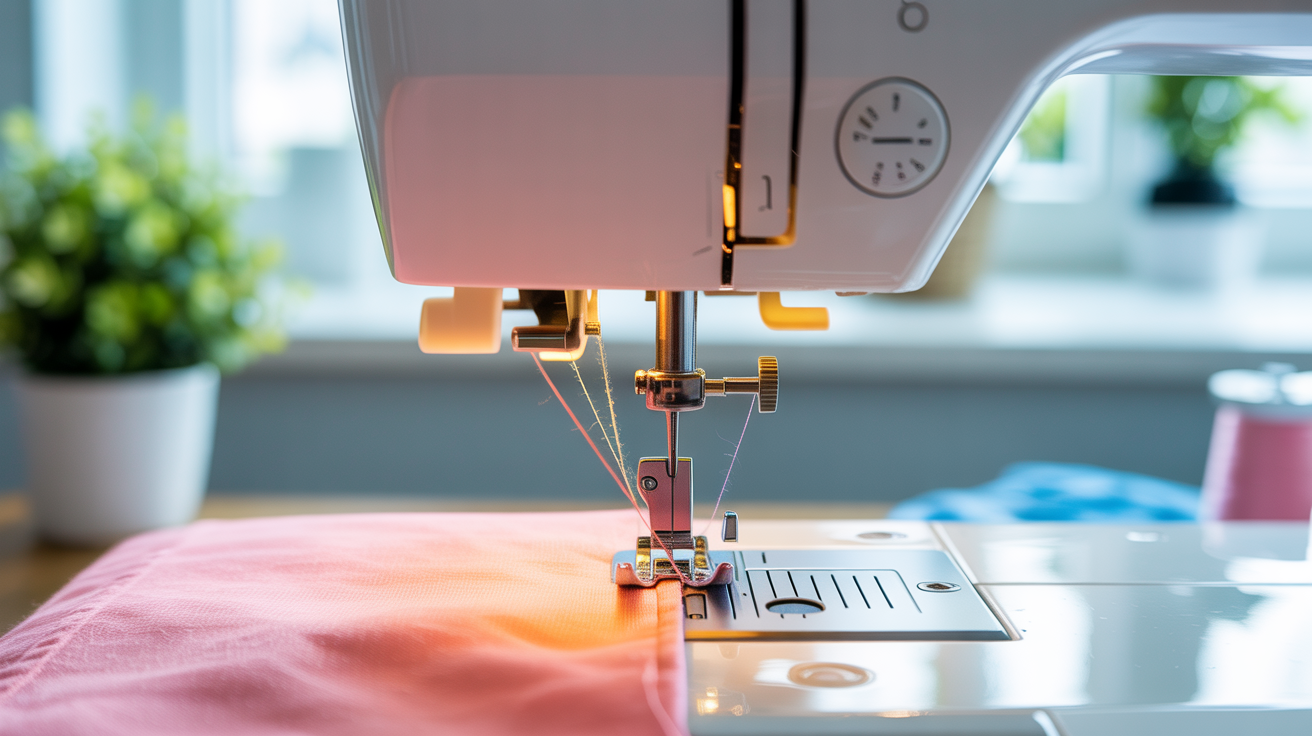
Your machine was humming along, and then it wasn't. Either the stitches on the top look fine but the underside of your fabric is a tangled mess, or you can see gaps where stitches should be. Both problems are frustrating, but they are almost always caused by something simple that you can fix yourself in a few minutes.
This guide covers the two most common sewing machine problems beginners run into: skipped stitches and thread nests (also called thread bunching under fabric). Work through each section in order, testing on a scrap of the same fabric after each fix, so you know exactly what solved it.
What Causes Skipped Stitches
A skipped stitch happens when the needle passes through the fabric but the hook inside the machine fails to catch the upper thread and form a loop with the bobbin thread. The result is a visible gap in the stitch line.
Wrong or Damaged Needle
The needle is the most common culprit. A needle that is bent even slightly, dull from extended use, or the wrong size for your fabric will pass through without creating a reliable loop for the hook to grab.
- Replace the needle. Needles are inexpensive and should be changed every 8 to 10 hours of sewing time, or any time you notice skips.
- Match the needle to the fabric. Knit and stretch fabrics need a ballpoint or stretch needle. Denim needs a heavy denim needle (size 16 or 18). Wovens like cotton and linen work well with a universal needle in size 80/12 or 90/14.
- Check that the needle is all the way up in the clamp and that the flat side faces the back.
Needle Inserted Backwards or Too Low
Every domestic sewing machine has a specific direction for the needle. On most machines, the flat side of the shank faces the back of the machine. If it faces forward, the timing is off and stitches skip consistently. Push the needle firmly up into the clamp before tightening the screw.
Upper Thread Not Seated Properly
Thread that has slipped out of a guide or tension disc will feed erratically, causing skips. Raise the presser foot before you re-thread (this opens the tension discs so the thread seats fully), and follow the threading path printed on your machine or shown in how to thread a sewing machine step by step.
Presser Foot Pressure and Fabric Feed
On some fabrics, especially lightweight or slippery ones, the fabric shifts during the stitch cycle before the hook can catch the thread. Slow your speed, hold the thread tails behind the presser foot for the first few stitches, and make sure the feed dogs are up and engaged.
What Causes Thread Bunching Under the Fabric
A tangle of thread on the underside of your fabric (sometimes called a thread nest or bird's nest) looks alarming but is almost always caused by upper threading problems, not the bobbin.
Upper Thread Is the Usual Cause
It seems backward, but the mess on the bottom comes from the top. When the upper thread is not under tension, it gets pulled down through the needle hole and tangles with the bobbin thread. Before you pull out the bobbin, re-thread the upper thread completely.
- Raise the presser foot lever.
- Raise the needle to its highest position using the handwheel.
- Remove the thread and re-thread from the spool pin, following every guide and the tension disc.
- Bring the thread through the needle from front to back (on most machines).
Bobbin Problems That Do Cause Bunching
Once you have re-threaded the top and the problem continues, check the bobbin. A bobbin wound unevenly, loaded in the wrong direction, or missing its thread in the bobbin case slot can all cause bunching.
- Re-wind the bobbin so the thread is smooth and even. How to wind and load a bobbin correctly walks through this in detail.
- Drop the bobbin in so the thread unwinds in the direction your machine specifies (usually clockwise or counter-clockwise, marked in the bobbin area).
- Pull the thread through the bobbin case tension slot and bring up the bobbin thread by lowering and raising the needle once before you start sewing.
Starting Without Holding Thread Tails
Letting the thread tails fall free when you begin sewing is a common cause of jams. Hold both the upper and bobbin thread tails toward the back of the machine for the first two or three stitches. This prevents the threads from getting pulled down into the machine.
Quick Fixes to Try First
When your machine is not stitching correctly or is jamming, run through this checklist before digging deeper.
| Problem | First thing to check |
|---|---|
| Skipped stitches | Replace the needle |
| Thread bunching under fabric | Re-thread upper thread with presser foot up |
| Machine jams mid-seam | Clear the jam, re-thread top and bobbin |
| Irregular stitches | Check needle size for your fabric |
| Thread shredding at the needle | Needle eye is rough or needle is wrong type |
To clear a jam without breaking your machine: cut the threads close to the fabric, slide the fabric out gently, then pull the threads from below the needle plate rather than yanking upward.
Tension Settings and When to Adjust Them
Tension controls how tightly the thread is pulled during stitch formation. Most machines have a numbered dial or digital setting, with the default around 4 or 5 for standard woven fabrics.
If the upper thread is visible on the underside of the fabric, the upper tension is too loose (increase the number). If the bobbin thread appears on the top, the upper tension is too tight (decrease the number). Always test tension changes on a scrap of the same fabric you are sewing, with the same number of layers.
Avoid adjusting bobbin tension unless you have ruled out every other cause. It is harder to reset and rarely the actual problem for beginners.
For a broader introduction to your machine's settings and controls, how to use a sewing machine: a complete beginner's guide is a good place to start if you are still getting familiar with the machine overall.
Fabric and Needle Combinations That Cause Problems
Certain fabrics are more prone to skipped stitches than others because of how they stretch or shift under the needle. This table shows common fabric types and the needle that reduces stitch problems.
| Fabric type | Recommended needle | Notes |
|---|---|---|
| Cotton, linen (woven) | Universal 80/12 or 90/14 | Everyday choice for most beginners |
| Jersey, T-shirt knit | Ballpoint or stretch 75/11 | Universal needles skip on knits |
| Denim, canvas | Denim 90/14 or 100/16 | Heavy needle prevents deflection |
| Chiffon, silk | Microtex 60/8 or 70/10 | Sharp tip reduces snags |
| Fleece, sweatshirt | Ballpoint 90/14 | Avoid piercing fibers |
Always use the smallest needle that works for your thread weight. A needle that is too large creates a hole bigger than the thread, which allows the loop to form inconsistently.
Frequently Asked Questions
Why does my sewing machine keep jamming even after I re-thread it?
Check that you are raising the presser foot lever before threading. Threading with the presser foot down bypasses the tension discs, so the thread never seats properly. Also make sure the needle is fully raised before you start threading.
My stitches look fine on top but the bottom is a mess. Is it the bobbin?
Usually not. Thread bunching under the fabric is almost always an upper threading issue. Re-thread completely with the presser foot raised, and make sure you held the thread tails when you started sewing. Try that before touching the bobbin.
How often should I change my needle?
A good rule of thumb is every project for lightweight fabrics, or every 8 hours of sewing for heavier ones. If you hear a popping sound as the needle enters the fabric, the needle is dull and needs replacing immediately.
Can the wrong thread cause skipped stitches?
Yes. Very thick thread through a small needle eye will shred and feed unevenly. Very thin thread through a large needle eye does not fill the groove properly. Match thread weight to needle size: standard 50-weight cotton thread works with sizes 80/12 to 90/14.
My machine makes a loud clunking noise when it jams. Did I break something?
A clunk usually means the machine tried to drive through a thread jam or tangled fabric. Stop immediately, cut the threads, and remove the fabric carefully. Clear any loose thread from around the feed dogs and bobbin area, then re-thread both the top and bobbin before continuing. Machines are more durable than they feel in that moment, but forcing a jammed machine can bend a needle or damage timing, so always stop and clear rather than pushing through.