How to Fix a Fallen Hem by Hand (Quick Repair)
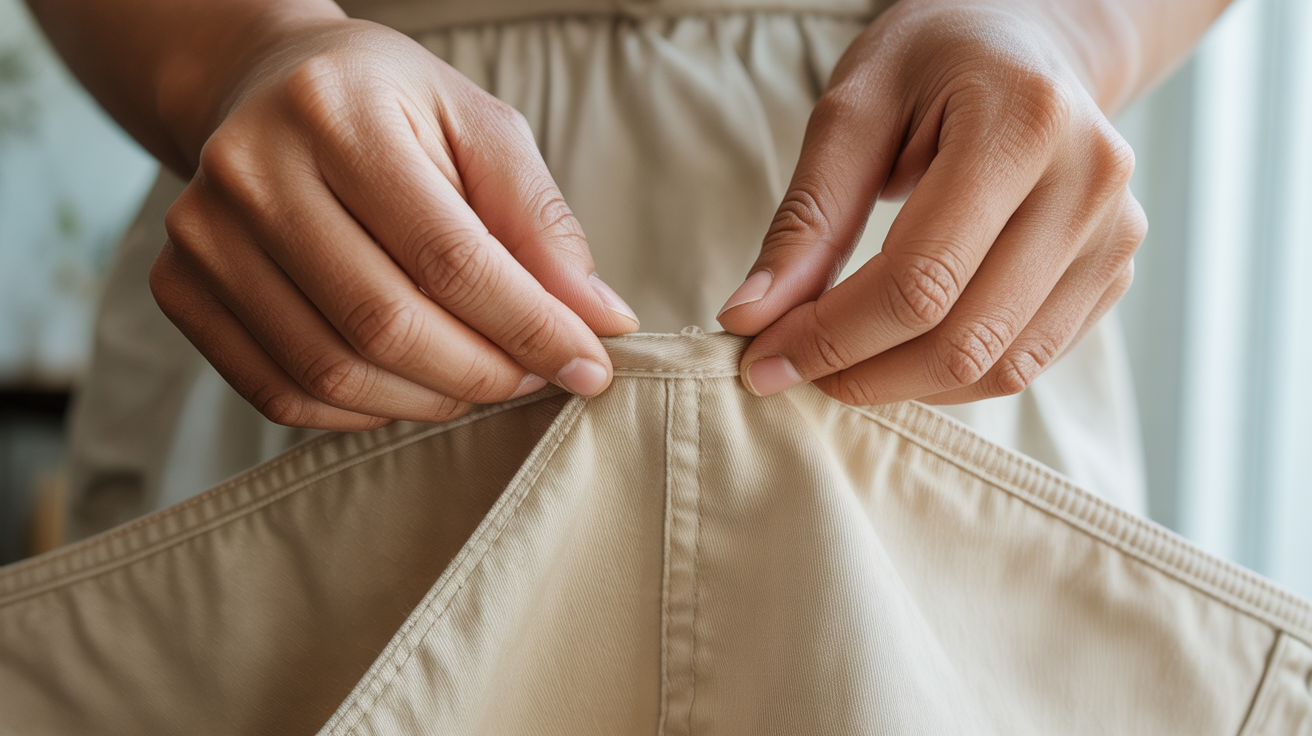
A fallen hem is one of the most common clothing repairs, and it's also one of the easiest to fix by hand. You do not need a sewing machine, and you do not need much experience. With a needle, a length of matching thread, and about fifteen minutes, you can have your pants, skirt, or dress looking right again.
This guide walks you through the whole process from start to finish.
What You Need Before You Start
Gather these supplies before you sit down:
- Hand sewing needle (a size 7 or 8 sharp works well for most woven fabrics)
- Thread in a color that matches your garment as closely as possible
- Scissors
- Pins or wonder clips
- An iron and ironing board (strongly recommended)
- A thimble (optional but useful)
- Ruler or measuring tape
Take a moment to check how much hem allowance you have. Turn the garment inside out and look at the fold. Most hems have at least 1 to 1.5 inches of fabric folded up. If your hem allowance is very small or the fabric is fraying badly, you may want to press a strip of seam tape along the raw edge before you sew.
How to Prepare the Hem
Good preparation makes the stitch itself much easier.
Press the fold first. Use a warm iron on the inside of the garment to press the hem fold back into place. A crisp fold gives you a clear line to follow and helps the hem lie flat once it is sewn. Check the care label for the right heat setting, and test on a hidden area if you are unsure.
Pin the hem at the original fold line. Space your pins about every two inches, keeping the hem allowance even all the way around. Try the garment on briefly, or lay it flat on a table, to confirm the length looks right before you commit to sewing.
Remove any old thread. If the original stitching only partially gave way, pull out the remaining bits of loose thread so your new stitches sit cleanly. Old thread left in place can pucker the fabric.
Once the hem is pressed and pinned, thread your needle with about 18 inches of thread and tie a knot at the end. Longer thread tends to tangle. For a guide on tying a knot that will not pull through the fabric, see how to thread a needle and tie a knot that holds.
Which Stitch to Use
Two stitches cover the vast majority of hand hem repairs. The right choice depends on the fabric weight and how much you want the stitching to show from the outside.
Slip Stitch (Blind Hem)
The slip stitch is the standard choice for most hems because it is nearly invisible from the right side of the garment. You catch only one or two threads of the outer fabric with each stitch, so the repair blends in.
- Fold the hem allowance up and hold it in place with your non-dominant hand.
- Bring the needle up through the fold of the hem allowance.
- Catch one or two threads of the garment fabric directly above the fold. Keep your needle nearly horizontal so you only graze the surface.
- Move the needle back through the fold, about a quarter inch to the right.
- Repeat along the hem.
Keep your tension even and loose. Pulling the thread tight will cause the hem to pucker and the stitches may show as small dimples on the outside.
Catch Stitch (Cross Stitch Hem)
The catch stitch is stronger than the slip stitch and works well on heavier fabrics like denim or wool. It has some stretch, which makes it a good pick for knits if you do not have a stretch needle and thread available.
Work from left to right but take your stitches from right to left. The needle crosses back over itself to form small X shapes on the inside.
For a more detailed look at basic stitches and when each one is appropriate, the basic hand sewing stitches every beginner should learn guide covers both of these in depth.
Step-by-Step: Sewing the Hem
With your hem pressed and pinned, and your needle threaded, here is the full sequence:
- Start inside the fold. Push the needle into the hem allowance from the inside so the knot is hidden within the fold.
- Take your first stitch. Using whichever stitch you chose, catch a thread or two of the garment fabric.
- Work around the hem. Keep your stitch length consistent, roughly a quarter inch apart for a slip stitch, a little longer for a catch stitch.
- Remove pins as you go. Pull each pin out just before you sew past that section.
- End with a knot. When you return to where you started, make two or three small backstitches in the hem allowance to secure the thread, then trim the tail.
- Press again. A final press on the inside of the garment smooths the hem flat and sets your stitches.
If your thread knots or tangles as you sew, run it through beeswax or a dry bar of soap before you start. This coats the thread and reduces friction.
Quick Reference: Stitch Comparison
| Stitch | Visibility | Best For | Stretch? |
|---|---|---|---|
| Slip stitch | Nearly invisible | Lightweight to medium wovens | No |
| Catch stitch | Shows on inside | Heavy fabrics, knits | Some |
| Running stitch | Visible on both sides | Casual repairs, basting | No |
A running stitch can work in a pinch for a casual repair where appearance matters less. For more on how that stitch works, see how to sew a running stitch and when to use it.
Common Problems and How to Fix Them
The stitches show on the outside. You are catching too much of the outer fabric. Try taking shallower stitches, grazing just one or two threads instead of going through the full thickness.
The hem puckers. Your thread tension is too tight. Remove those stitches and resew, letting the thread sit loosely rather than pulling it snug after each stitch.
The hem length is uneven. Measure from the floor or from a seam before you pin. Use a ruler to check the hem allowance depth as you go around, especially at the sides and back where fabric can shift.
The fabric is fraying at the raw edge. Fold the raw edge under by about a quarter inch and press it before sewing, or apply a narrow strip of seam binding tape. This gives your stitches a clean edge to anchor into.
The thread keeps knotting. Use a shorter length of thread, no more than 18 inches at a time. Thread your needle with the end that came off the spool first, which reduces the tendency to twist.
Frequently Asked Questions
How long does it take to hand sew a fallen hem? For a standard pair of pants, plan on 15 to 30 minutes once your supplies are ready and the hem is pressed. The pressing and pinning step takes longer than the sewing itself.
Can I use fabric glue instead of sewing? Hem tape and fabric glue work on some fabrics and for quick fixes, but they are not as durable as stitching and can stiffen the hem. If you plan to wash the garment regularly, a sewn hem holds better over time.
What thread should I use to repair a fallen hem? Choose a thread color that matches the garment as closely as possible. Polyester thread works for most fabric types. For a slip stitch, thread color matters less because the stitches are barely visible, but a close match still gives the cleanest result if any thread does show.
My hem allowance is only half an inch. Can I still hand sew it? Yes, but work carefully. Press a narrow strip of seam tape or fusible web along the raw edge first to stabilize it. Then sew a slip stitch along the very top of the fold, taking shallow stitches. Short hem allowances work best with a slip stitch rather than a catch stitch.
How do I keep the new hem from falling again? Use a double strand of thread for extra strength, or work two rows of slip stitches spaced a quarter inch apart. Make sure your starting and ending knots are secure and anchored inside the fold where they will not see direct wear.